

The Six Foods That are Best at Helping You Your eyes are your window to the world, so protecting them is likely one of your top priorities. One of the best ways to keep your eyes healthy as you age is to include vision-friendly foods in your daily diet.
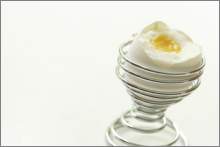
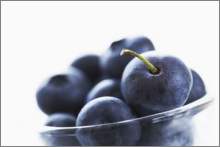
And contrary to popular belief, carrots are far from the only food out there that is good for your eyes. The following foods will not only help to nourish and support your eyes as you age, but many of them can also help to reduce your risk of cataracts and macular degeneration -- the world's leading cause of blindness. 1. Egg Yolks Egg yolks are the best source of lutein, a yellow-hued antioxidant. One of lutein's most talked about qualities is its ability to protect against cataracts and macular degeneration. Lutein (along with zeaxanthin, another carotenoid) forms the yellow pigment of your retina and absorbs blue light, a harmful component of sunlight, says Dr. Andrew Weil, M.D. Researchers also suspect that lutein's antioxidant actions help to protect your eyes from light-induced oxidative damage. Lutein is also found in vegetables, especially green leafy ones, but when 10 volunteers ate different sources of lutein (spinach, eggs or one of two types of lutein supplements) eggs came out on top. Those who ate eggs as their lutein source had blood levels of lutein that were about three times higher than that of those who ate other lutein sources. The researchers suspect that other components in the egg yolk, such as lecithin, are responsible for its superior absorbability. 2. Brazil Nuts One Brazil nut contains 120 mcg of selenium, which is about twice the Recommended Daily Allowance. Why is this a good thing? Because selenium's antioxidant activity fights free radicals that may damage your eye's lens and macula at the center of your retina. This may help prevent cataracts and macular degeneration. 3. Blueberries (and Other Berries) Blueberries contain anthocyanins, potent antioxidants that give fruits their red and purple color. Because of this, blueberries can help to prevent age-related damage and improve blood flow to your eyes. Anthocyanins also strengthen blood vessel walls, which can slow the development of diabetic retinopathy.
Aside from blueberries, cherries, red grape, pomegranates, red cabbage, and beets also contain high levels of anthocyanins. 4. Salmon Salmon and other oily fish like sardines, herring, and black cod are rich in omega-3 fats. A study from Harvard Medical School found that people who eat fish twice a week while avoiding unhealthy fats like Trans fats have less than half the risk of developing macular degeneration as people who do neither. Meanwhile, omega-3 fats help protect light-sensing cells and are linked to a lower risk of cataracts. When eating fish, be careful to choose wild, low-mercury varieties. As an alternative, you can take a high-quality, animal-based omega-3 supplement, such as fish oil. 5. Papaya One serving of papaya will give you close to a three-day supply of vitamin C, which is one reason why papaya has been found to protect against macular degeneration. According to a 2001 study by the National Institutes of Health, people with macular degeneration could slow the disease by getting 500 mg of vitamin C, 400 IU of vitamin E, and 80 mg of zinc every day. 6. Broccoli Broccoli contains sulforaphane, a cancer-fighting compound that's also a powerful antioxidant. According to researchers at Johns Hopkins University, human retinal cells treated with sulforaphane were protected from oxidizing free radicals for several days. Not a fan of broccoli? Don't worry, other cruciferous veggies like cabbage, kale, mustard greens and turnips are also rich in sulforaphane. -- With BEST Regards, Jigar Parekh |



__._,_.___

No comments:
Post a Comment